Text
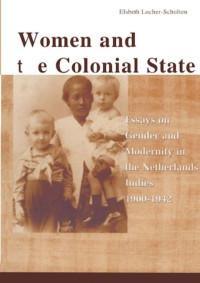
Women and the Colonial State
Contents\\\\r\\\\n\\\\r\\\\nPreface 9\\\\r\\\\n\\\\r\\\\nBy Way ofa Prologue and Epilogue: \\\\\\\'3\\\\r\\\\nGender, Modernity and the Colonial State\\\\r\\\\nMter the \\\\\\\'The Family ofMan\\\\\\\' \\\\\\\'3\\\\r\\\\nWomen and the Colonial State \\\\\\\'4\\\\r\\\\nHistorical Context ,6\\\\r\\\\nContents 23\\\\r\\\\nOrientalism, Gender and Class 25\\\\r\\\\nWhiteness and \\\\\\\'European-ness\\\\\\\' 30\\\\r\\\\nColonial Modernity and Gender 32\\\\r\\\\nNation-State and Female Colonial Citizenship 37\\\\r\\\\nII Female Labour in Twentieth Century ColonialJava: 49\\\\r\\\\nEuropean Notions - Indonesian Practices\\\\r\\\\nIntroduction 49\\\\r\\\\nEuropean Notions 50\\\\r\\\\nFemale Night Labour in the Netherlands Indies 52\\\\r\\\\nThe Indonesian Practice: Figures from the \\\\\\\'920S and \\\\\\\'930S 55\\\\r\\\\nAnalyses ofIndigenous Agriculture 55\\\\r\\\\nThe Census of \\\\\\\'930 59\\\\r\\\\nThe Coolie Budget Survey in Java \\\\\\\'939-\\\\\\\'940 63\\\\r\\\\nConcluding Remarks 70\\\\r\\\\nIII \\\\\\\'So Close and Vet So Far\\\\\\\': 85\\\\r\\\\nEuropean Ambivalence towards Javanese Servants\\\\r\\\\nIntroduction 85\\\\r\\\\nSources and Their Authors 86\\\\r\\\\n\\\\\\\'Different\\\\\\\' or \\\\\\\'One Step Behind\\\\\\\'? 87\\\\r\\\\n\\\\r\\\\nFacts and Figures on Colonial Domestics 88\\\\r\\\\nManuals and Advice Literature 94\\\\r\\\\nChildren\\\\\\\'s Literature IQl\\\\r\\\\nServants in Youth Literature 103\\\\r\\\\nConcluding Remarks IQ9\\\\r\\\\nIV Summer Dresses and Canned Food: 121\\\\r\\\\nEuropean Women and Western Lifestyles\\\\r\\\\nIntroduction 121\\\\r\\\\nEuropean Women in the Colonial Community 122\\\\r\\\\nWhat to Wear? I26\\\\r\\\\nShopping, Sewing and the Jahit 131\\\\r\\\\nThe Illusion ofWesternisation 135\\\\r\\\\nEuropean Food 141\\\\r\\\\nIn the Shadow of the Second World War 143\\\\r\\\\nConcluding Remarks 145\\\\r\\\\nV Feminism, Citizenship and the Struggle for Women\\\\\\\'s Suffrage 151\\\\r\\\\nin a Colonial Context\\\\r\\\\nIntroduction 151\\\\r\\\\nGender and Class in Representative Institutions 152\\\\r\\\\nThe First Phase: 1908-1925 153\\\\r\\\\nThe Second Phase: In the Indies, 1925-1937 157\\\\r\\\\nIndonesian and Colonial Feminism 160\\\\r\\\\nThe First Female Member of the People\\\\\\\'s Council 166\\\\r\\\\nThe Third Phase: 1937-1941 168\\\\r\\\\nWinning the Right to Vote 173\\\\r\\\\nConcluding Remarks 175\\\\r\\\\nVI Marriage, Morality and Modernity: 187\\\\r\\\\nThe 1937 Debate on Monogamy\\\\r\\\\nIntroduction 187\\\\r\\\\nMarriage in Colonial Indonesia 189\\\\r\\\\nIndonesian Requests 190\\\\r\\\\nThe Debate of the 1920Sand 1930S: The Indonesian Perspective 191\\\\r\\\\nThe Colonial Government\\\\\\\'s Position 192\\\\r\\\\nThe Two Origins of the Draft 194\\\\r\\\\nIntersection ofGender, Race and Class 196\\\\r\\\\nIndonesian Reactions 198\\\\r\\\\n\\\\r\\\\nIslamic Arguments\\\\r\\\\nSecular Criticisms\\\\r\\\\nTheBangoen Affair\\\\r\\\\nConsequences\\\\r\\\\nConcluding Remarks\\\\r\\\\n\\\\r\\\\nBibliography\\\\r\\\\nGlossary\\\\r\\\\nIndex\\\\r\\\\n\\\\r\\\\n200\\\\r\\\\n202\\\\r\\\\n20\\\\r\\\\n4\\\\r\\\\n206\\\\r\\\\n20\\\\r\\\\n9\\\\r\\\\n\\\\r\\\\n21\\\\r\\\\n9\\\\r\\\\n239
Availability
Detail Information
- Series Title
-
-
- Call Number
-
305.42 Els w
- Publisher
- Amsterdam : Amsterdam University Press., 2000
- Collation
-
xi, 251 hlm.: 24,13 x 15 cm
- Language
-
English
- ISBN/ISSN
-
90-5356-403-9
- Classification
-
305.42
- Content Type
-
-
- Media Type
-
-
- Carrier Type
-
-
- Edition
-
-
- Subject(s)
- Specific Detail Info
-
-
- Statement of Responsibility
-
-
Other version/related
No other version available
File Attachment
Comments
You must be logged in to post a comment
 Computer Science, Information & General Works
 Philosophy & Psychology
 Religion
 Social Sciences
 Language
 Pure Science
 Applied Sciences
 Art & Recreation
 Literature
 History & Geography