Text
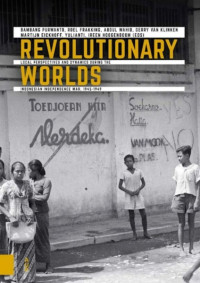
Revolutionary Worlds
i. introduction\\\\r\\\\n1. Revolutionary Worlds: an introduction\\\\r\\\\nR o el Fr a k k i n g a n d A b d u l Wa h i d\\\\r\\\\nii. revolutionary...\\\\r\\\\n2. The meaning of independence for women in Yogyakarta, 1945-1946\\\\r\\\\nGaluh Ambar Sasi\\\\r\\\\n3. The battle for the nation and pemuda subjectivity.\\\\r\\\\nContradictions in a revolutionary capital\\\\r\\\\nFar abi Fakih\\\\r\\\\n4. Monsters and capitalists. Revolutionary posters demonize the\\\\r\\\\nDutch\\\\r\\\\nMuhammad Yuanda Zara\\\\r\\\\n5. The violence of Dutch public security. Semarang and its Central\\\\r\\\\nJavanese hinterland, 1945-1949\\\\r\\\\nMartijn Eickhoff\\\\r\\\\n6. East Java, 1949: the revolution that shaped Indonesia\\\\r\\\\nGerry van Klinken and Maarten van der Bent\\\\r\\\\n9\\\\r\\\\n11\\\\r\\\\n\\\\r\\\\n33\\\\r\\\\n35\\\\r\\\\n\\\\r\\\\n47\\\\r\\\\n\\\\r\\\\n75\\\\r\\\\n\\\\r\\\\n101\\\\r\\\\n\\\\r\\\\n129\\\\r\\\\n\\\\r\\\\n7. War logistics in revolutionary Central Java\\\\r\\\\nJulianto Ibrahim\\\\r\\\\n8. State-making is war-making. Military violence and the\\\\r\\\\nestablishment of the State of East Indonesia in 1946\\\\r\\\\nAnne-Lot Hoek\\\\r\\\\niii. ...worlds\\\\r\\\\n9. From the parliament to the streets. The State of East Indonesia,\\\\r\\\\n1946-1950\\\\r\\\\nSark awi B. Husain\\\\r\\\\n10. The harsher they act, the more fuss there’ll be. Dynamics of\\\\r\\\\nviolence in South-Sulawesi, 1945-1950\\\\r\\\\nRoel Frakking\\\\r\\\\n11. Polombangkeng, South Sulawesi. The contest for authority, 1945-\\\\r\\\\n1949\\\\r\\\\nTaufik A hm ad\\\\r\\\\n12. Association with the people must be friendly. War against the\\\\r\\\\npeople and the political partitioning of West Java, 1948\\\\r\\\\nRoel Frakking\\\\r\\\\n13. Fighting over Depok. From colonial privilege to Indonesian\\\\r\\\\ncitizenship, 1942-1949\\\\r\\\\nTr i Wa h y u n i n g M . Ir s ya m\\\\r\\\\n14. A successful transition. The Chinese in revolutionary Aceh,\\\\r\\\\n1945-1949\\\\r\\\\nM awardi Umar\\\\r\\\\n15. Navigating contested middle ground. Ethnic Chinese in\\\\r\\\\nrevolutionary East Sumatra, 1945-1950\\\\r\\\\nAnne van der Veer\\\\r\\\\n157\\\\r\\\\n\\\\r\\\\n179\\\\r\\\\n\\\\r\\\\n199\\\\r\\\\n201\\\\r\\\\n\\\\r\\\\n217\\\\r\\\\n\\\\r\\\\n247\\\\r\\\\n\\\\r\\\\n275\\\\r\\\\n\\\\r\\\\n299\\\\r\\\\n\\\\r\\\\n317\\\\r\\\\n\\\\r\\\\n339\\\\r\\\\n\\\\r\\\\n16. Everyday life of the Chinese in revolutionary Padang, 1945-1948\\\\r\\\\nErniwati\\\\r\\\\n17. Playing it safe. Survival strategies of the Indian community in\\\\r\\\\nEast Sumatran cities, 1945-1946\\\\r\\\\nApriani Harahap\\\\r\\\\n\\\\r\\\\nNotes\\\\r\\\\nAbbreviations\\\\r\\\\nGlossary\\\\r\\\\nBibliography\\\\r\\\\nAcknowledgements\\\\r\\\\nAbout the authors\\\\r\\\\nIndex\\\\r\\\\n355\\\\r\\\\n\\\\r\\\\n379\\\\r\\\\n\\\\r\\\\n397\\\\r\\\\n459\\\\r\\\\n465\\\\r\\\\n470\\\\r\\\\n495\\\\r\\\\n499\\\\r\\\\n506\\\\r\\\\n\\\\r\\\\n7. War logistics in revolutionary Central Java\\\\r\\\\nJulianto Ibrahim\\\\r\\\\n8. State-making is war-making. Military violence and the\\\\r\\\\nestablishment of the State of East Indonesia in 1946\\\\r\\\\nAnne-Lot Hoek\\\\r\\\\niii. ...worlds\\\\r\\\\n9. From the parliament to the streets. The State of East Indonesia,\\\\r\\\\n1946-1950\\\\r\\\\nSark awi B. Husain\\\\r\\\\n10. The harsher they act, the more fuss there’ll be. Dynamics of\\\\r\\\\nviolence in South-Sulawesi, 1945-1950\\\\r\\\\nRoel Frakking\\\\r\\\\n11. Polombangkeng, South Sulawesi. The contest for authority, 1945-\\\\r\\\\n1949\\\\r\\\\nTaufik A hm ad\\\\r\\\\n12. Association with the people must be friendly. War against the\\\\r\\\\npeople and the political partitioning of West Java, 1948\\\\r\\\\nRoel Frakking\\\\r\\\\n13. Fighting over Depok. From colonial privilege to Indonesian\\\\r\\\\ncitizenship, 1942-1949\\\\r\\\\nTr i Wa h y u n i n g M . Ir s ya m\\\\r\\\\n14. A successful transition. The Chinese in revolutionary Aceh,\\\\r\\\\n1945-1949\\\\r\\\\nM awardi Umar\\\\r\\\\n15. Navigating contested middle ground. Ethnic Chinese in\\\\r\\\\nrevolutionary East Sumatra, 1945-1950\\\\r\\\\nAnne van der Veer\\\\r\\\\n157\\\\r\\\\n\\\\r\\\\n179\\\\r\\\\n\\\\r\\\\n199\\\\r\\\\n201\\\\r\\\\n\\\\r\\\\n217\\\\r\\\\n\\\\r\\\\n247\\\\r\\\\n\\\\r\\\\n275\\\\r\\\\n\\\\r\\\\n299\\\\r\\\\n\\\\r\\\\n317\\\\r\\\\n\\\\r\\\\n339\\\\r\\\\n\\\\r\\\\n16. Everyday life of the Chinese in revolutionary Padang, 1945-1948\\\\r\\\\nErniwati\\\\r\\\\n17. Playing it safe. Survival strategies of the Indian community in\\\\r\\\\nEast Sumatran cities, 1945-1946\\\\r\\\\nApriani Harahap\\\\r\\\\n\\\\r\\\\nNotes\\\\r\\\\nAbbreviations\\\\r\\\\nGlossary\\\\r\\\\nBibliography\\\\r\\\\nAcknowledgements\\\\r\\\\nAbout the authors\\\\r\\\\nIndex
Availability
Detail Information
- Series Title
-
-
- Call Number
-
959.803 Bam r
- Publisher
- Amsterdam : Amsterdam University Press., 2023
- Collation
-
xv, 538 hlm. : 24 x 16 cm
- Language
-
English
- ISBN/ISSN
-
978-90-4855-686-1
- Classification
-
959.803
- Content Type
-
-
- Media Type
-
-
- Carrier Type
-
-
- Edition
-
-
- Subject(s)
- Specific Detail Info
-
-
- Statement of Responsibility
-
-
Other version/related
No other version available
File Attachment
Comments
You must be logged in to post a comment
 Computer Science, Information & General Works
 Philosophy & Psychology
 Religion
 Social Sciences
 Language
 Pure Science
 Applied Sciences
 Art & Recreation
 Literature
 History & Geography